







Online Message

×

Cocoa Powder Supplier — Natural, Alkalized & Black

Bulk Cocoa PowderWholesaleNatural & AlkalizedFSSC 22000 & HalalBakery & Confectionery

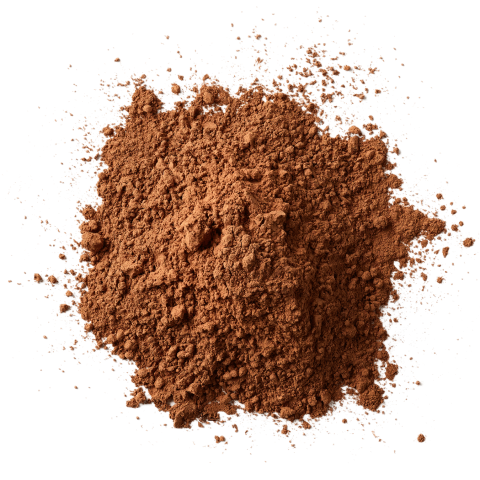
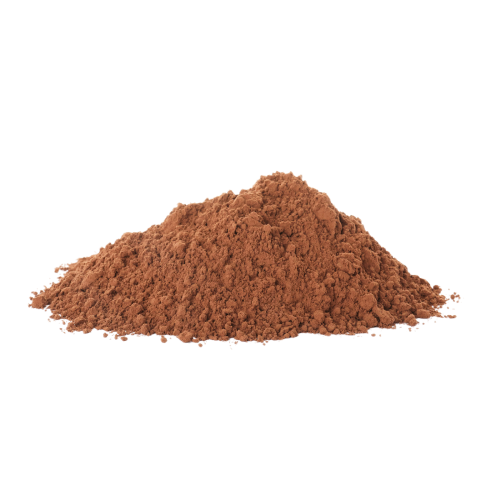
Natural, alkalized and black cocoa powder — 16 types, from light brown to jet black, made in our own certified facility. We handle the full chain from bean sourcing to finished powder, so what you get is factory-direct quality with full traceability. If your product needs the right color, the right flavor and the same result every batch, that is what we do.

  • Stable color and flavor from batch to batch — tested in-house before every shipment

  • Wide selection across pH, color, fat content and grade levels

  • Full traceability from West African bean origins to our Cambodia processing line

  • FSSC 22000, Halal certified, non-GMO

  • 15–25 day lead time, FOB / CIF / CFR shipping to 62+ countries

Send your inquiry

Specifications

ParameterSpecification
Product TypesNatural cocoa powder, Alkalized (Dutch-process) cocoa powder, Black cocoa powder
Available Varieties16 types (NP500, NF500, NS01, NG500, AP600, AP700, AP800, AF600, AF800, AS01, AS03, AG600, AG800, RP850, BG900, BF900)
Fat Content10-12% / 4-8%
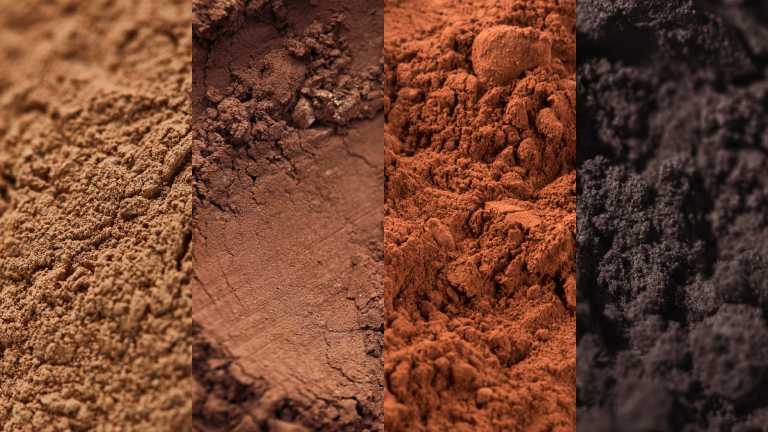
Color RangeLight brown, natural brown, mild brown, brown, dark brown, reddish brown, black
Grade OptionsPremium grade, High grade, Standard grade
pH RangeNatural: 5.0-5.8 | Alkalized: 6.0-7.8 | Black: 8.0-9.0
Fineness99% min. through 200 mesh
Moisture≤5.0%
Bean OriginWest Africa (primarily Côte d'Ivoire and Ghana)
CertificationsFSSC 22000, Halal, Non-GMO
Packaging25kg paper bags with inner PE liner
Shelf Life24 months under proper storage conditions
StorageCool, dry place below 25°C, away from direct sunlight and strong odors

Cocoa Powder Color Range

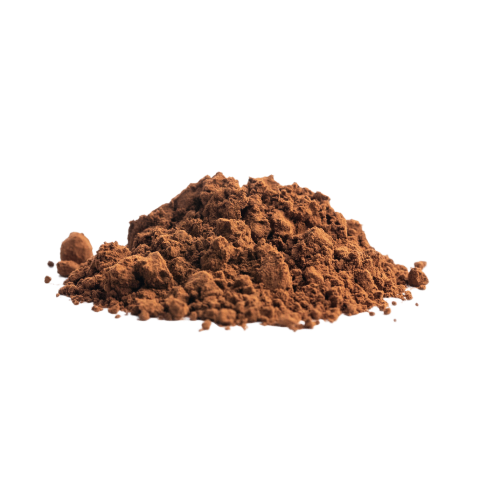
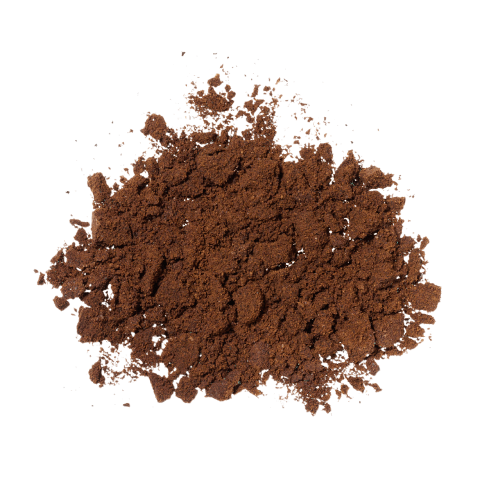
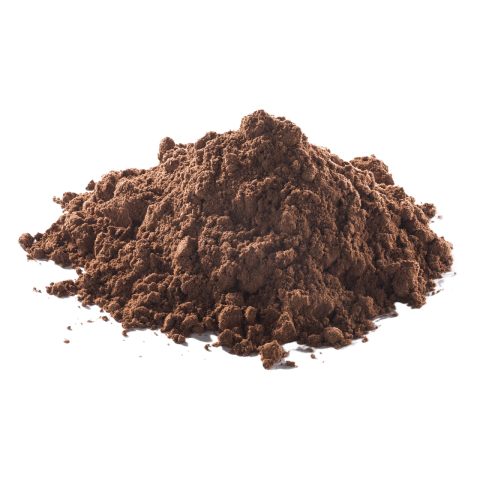
Our cocoa powders come in a full spectrum from light brown to jet black. Each color results from specific bean origins, roasting profiles and alkalization levels, giving you precise control over the final look of your chocolate, bakery and confectionery products.

Application Recommendations

Each cocoa powder type suits different end products. Check the table below to find the best match for your application.

TypeConfectioneryBakeryDairyInstant Food
ChocolateMilk ChocolateCakeCookiesCerealsBrownieIce CreamChoco MilkPuddingChoco DrinksMixed Powder
NP500
★★★★


AP600
★★★★★★★★★★★★★★★★★★★★★★★★★★
AP700
★★★★★★★★★★★★★★★★★★★★★
AP800★★★
★★★★
★★★★★★★★★★★★
RP850★★★
★★★★
★★★★★★★★★★★★
BG900★★★★★★★★★


NS01
★★
AS01

NG500
★★★★
AG600
★★★★★★★★★★
AG800★★
★★★★
★★

Find the Right Cocoa Powder for Your Application

go to Cocoa Powder Selector

FAQ

    Understanding Cocoa Powder: From Bean to Powder

    What Is Cocoa Powder?

    Cocoa powder is the dry, ground product left after most of the cocoa butter has been pressed out of cocoa liquor. Cocoa liquor itself comes from roasted and ground cocoa beans. The pressing process removes roughly half of the fat, leaving a solid cake that is then milled into a fine powder.

    In the food industry, cocoa powder serves as a primary ingredient for adding chocolate flavor, color and aroma to a wide range of products. It is used in chocolate manufacturing, bakery, confectionery, dairy, beverages and instant food. Compared to using chocolate or cocoa liquor directly, cocoa powder gives manufacturers more control over fat content and flavor intensity in their formulas.

    How Is Cocoa Powder Produced?

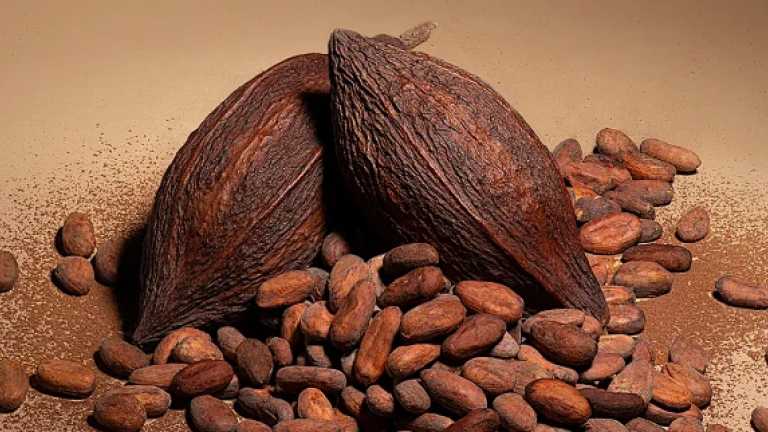
    The production process starts with raw cocoa beans, mostly Forastero variety from West Africa. Here is how the process works at our factories:

    The beans are first cleaned to remove debris, then roasted at controlled temperatures. Roasting develops the flavor compounds and loosens the shell. After roasting, the beans go through winnowing — a process that cracks the beans and separates the shell from the inner nib.

    The nibs are then ground into cocoa liquor, a thick paste made of cocoa solids and cocoa butter. This liquor is fed into hydraulic presses that squeeze out most of the cocoa butter. What remains is the cocoa press cake, a solid disc with around 10-12% residual fat. The press cake is crushed, milled and sifted to produce cocoa powder with a fineness of at least 99% through 200 mesh.

    For alkalized cocoa powder, potassium carbonate is introduced during processing. The amount used determines the final pH, color depth and flavor profile. We keep our alkalization rate below 2% to preserve flavor quality.

    Natural vs. Alkalized: How Processing Affects the Final Product

    PropertyNatural Cocoa PowderAlkalized Cocoa Powder
    pH Level5.0 – 6.06.8 – 8.0
    ColorLight to medium brownMedium brown to black
    FlavorSharp, fruity, more acidicSmoother, milder, less acidic
    SolubilityLowerHigher
    Best ApplicationsBaked goods, brownies, chocolate barsDrinks, ice cream, confectionery, cereals

    Natural cocoa powder keeps more of the original bean character. It has a stronger aroma and a slightly fruity, acidic bite. In baking, this acidity reacts with baking soda and helps dough rise.

    Alkalized cocoa powder has a mellower taste and dissolves more easily in water and milk. The alkalization process also darkens the color significantly, which is why it is the standard choice for products that need a rich, dark appearance.

    How Cocoa Powder Color Affects Your End Product

    The color of your cocoa powder directly changes how your finished product looks. This is something many buyers underestimate during sourcing.

    In chocolate manufacturing, a light brown powder like our NP500 gives milk chocolate its expected warm tone. A darker grade like AP800 or RP850 creates the deep look needed for dark chocolate and premium confectionery.

    In bakery, the impact is even more visible. A brownie made with natural cocoa powder will have a reddish-brown crumb. The same recipe with a dark alkalized powder will look nearly black. Cookies, cakes, and cereal coatings all shift color dramatically depending on the cocoa powder grade you choose.

    For beverages and ice cream, color consistency between batches matters a lot because consumers notice visual changes immediately. Alkalized cocoa powders give more uniform color results because the alkalization process standardizes the pigment compounds.

    If you are not sure which color grade fits your product, our selector tool lets you compare all available options side by side.

    Cocoa Powder Grades Explained

    We categorize our cocoa powder into three grade levels: premium, high and standard. The grade reflects differences in flavor intensity, color consistency, and processing precision — not a simple ranking of good versus bad.

    Premium grade powders like NP500, AP600, AP700, AP800 and RP850 go through tighter process control. They are produced from selected bean batches, roasted with more precise temperature profiles, and milled to finer consistency. These are chosen by manufacturers who need exact color matching and stronger flavor in their end products.

    High grade powders such as BG900, NS01 and AS01 offer solid performance at a more competitive price point. They work well in applications where slight batch variation is acceptable, like bakery mixes or compound chocolate coatings.

    Standard grade powders — NG500, AG600 and AG800 — are built for cost-sensitive applications at scale. They deliver reliable cocoa flavor and color for products like cocoa drink mixes, instant powders and cereal coatings where volume pricing matters most.

    Key Factors When Sourcing Bulk Cocoa Powder

    When you are evaluating a cocoa powder supplier for bulk purchasing, a few things are worth checking beyond just the price per ton.

    First, look at whether the supplier is a processor or a reseller. A processor controls roasting, pressing and milling, which means better batch consistency and quicker response when you need specification adjustments. Resellers often source from multiple mills, so quality can drift between shipments.

    Second, ask for real lab reports. A reliable COA should include fat content, moisture, pH, fineness, ash content and microbiology results. If a supplier cannot provide these for each batch, that is a red flag.

    Third, check the factory certifications. FSSC 22000 is the industry standard for food safety management. Halal certification matters if you sell into Muslim-majority markets. Non-GMO status is increasingly requested by buyers in Europe and North America.

    Finally, consider logistics experience. A supplier who already exports to your region will handle documentation, fumigation and container loading more smoothly. This reduces the risk of delays and customs issues at your end.