







Online Message

×

Pure Pressed Cocoa Butter (PPP) for Chocolate & Confectionery

Pure Prime Pressed (PPP)Food GradeFSSC 22000 & HalalBulk Supply

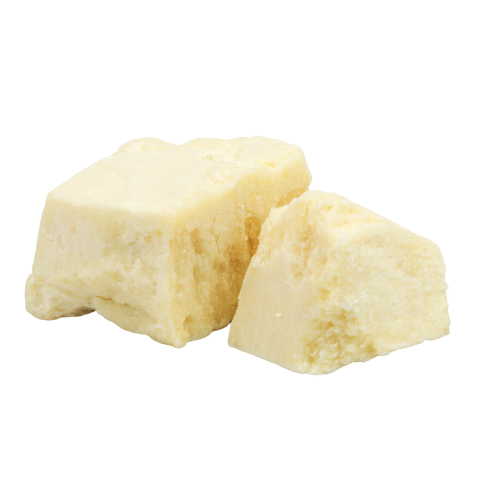
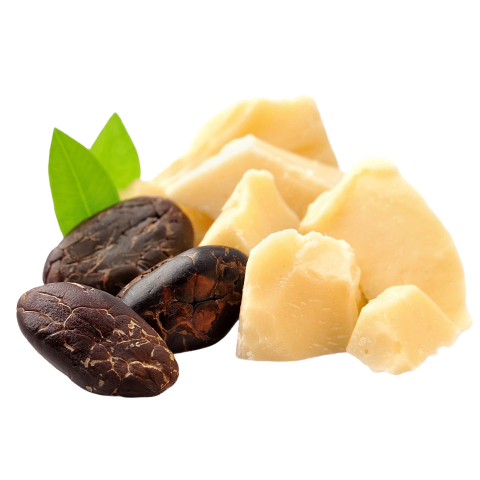
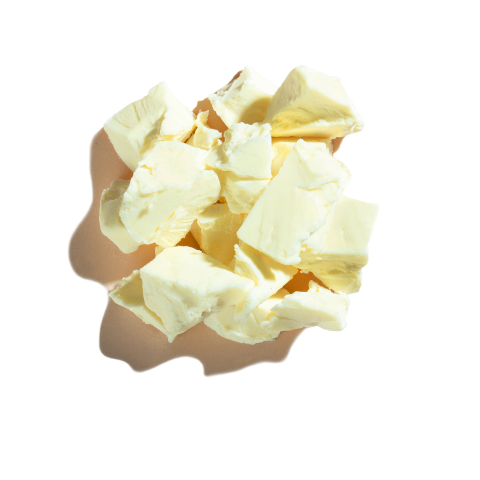
Our cocoa butter is pure prime pressed (PPP) — mechanically extracted from cocoa liquor with no chemical solvents. It is the natural fat of the cocoa bean, with a pale yellow color, mild cocoa aroma, and a melting point of 32–35°C that gives chocolate its characteristic snap and melt-in-mouth quality.

  • Pure prime pressed cocoa butter, no chemical extraction

  • Melting point 32–35°C — ideal for chocolate tempering

  • Low FFA (max. 1.75%) and peroxide value (≤3.0 meq/kg) — fresh, stable oil

  • Produced from West African cocoa beans at our Cambodia facility

  • FSSC 22000, Halal certified, non-GMO

  • Batch-tested in-house before every shipment
Send your inquiry

Specifications

ParameterSpecification
Product TypePure prime pressed cocoa butter (PPP)
Extraction MethodMechanical pressing (no chemical solvents)
Melting Point32 – 35°C
Free Fatty AcidsMax. 1.75%
MoistureMax. 0.2%
Residual Cocoa Solids≤0.35%
Peroxide Value≤3.0 meq/kg
ColorPale yellow (natural, non-deodorized)
AromaMild natural cocoa aroma
Bean OriginWest Africa (primarily Côte d'Ivoire and Ghana)
CertificationsFSSC 22000, Halal, Kosher, Non-GMO
Shelf Life24 months under proper storage conditions
StorageCool, dry place below 25°C, away from direct sunlight and strong odors

Application Recommendations

Cocoa butter performs differently depending on the end product — how it melts, how it sets, how it carries flavor and how it interacts with other fats in the formula. Here is where our PPP cocoa butter fits best.

ApplicationSuitabilityNotes
Dark Chocolate★★★Controls viscosity, snap and gloss. Temper to Form V for optimal shell and bar performance.
Milk Chocolate★★★Blends with milk fat for creamy texture. Mild cocoa aroma complements dairy without overpowering.
White Chocolate★★★Cocoa butter is the sole cocoa ingredient. Pale yellow color and clean flavor profile suit white chocolate formulations.
Couverture & Enrobing★★★High-purity PPP butter gives thin, even coating with proper contraction for clean mold release.
Pralines & Truffles★★★Sets firm at room temperature, melts smoothly in mouth. Low residual solids keep shell appearance clean.
Compound Coatings★★Can be blended with vegetable fats to improve mouthfeel and flavor in non-tempered coatings.
Bakery Fillings & Cream Centers★★Adds richness and structure to cream fillings. Melting point keeps fillings stable at room temperature.
Pharmaceutical Suppositories★★Melting point near body temperature makes cocoa butter a traditional carrier for suppository formulations.

Find the Right Cocoa Powder for Your Application

go to Cocoa Powder Selector

FAQ

    Understanding Cocoa Butter: Properties, Processing and Sourcing

    What Is Cocoa Butter?

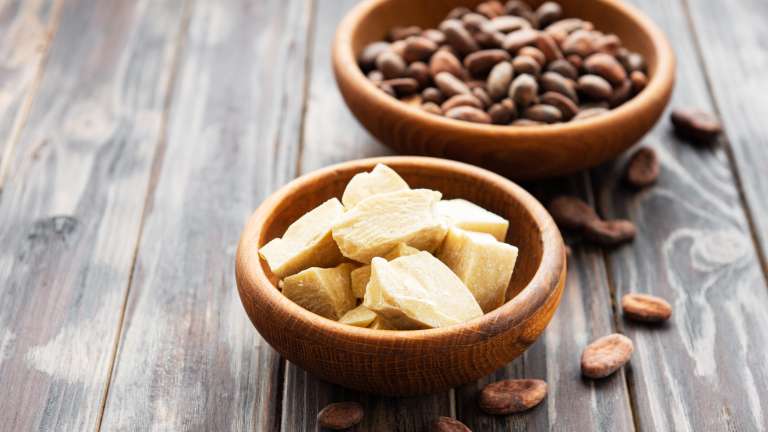
    Cocoa butter is the natural fat extracted from cocoa beans during the pressing of cocoa liquor. It makes up roughly 50-55% of the cocoa bean by weight. After the liquor is hydraulically pressed, two products emerge: cocoa butter (the fat) and cocoa press cake (which is milled into cocoa powder).

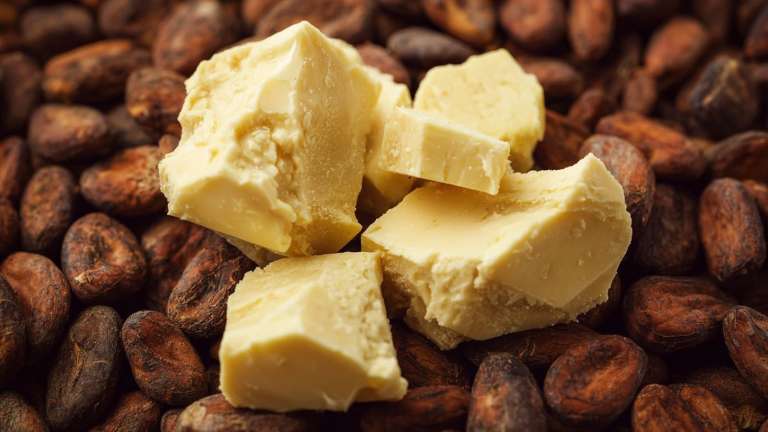
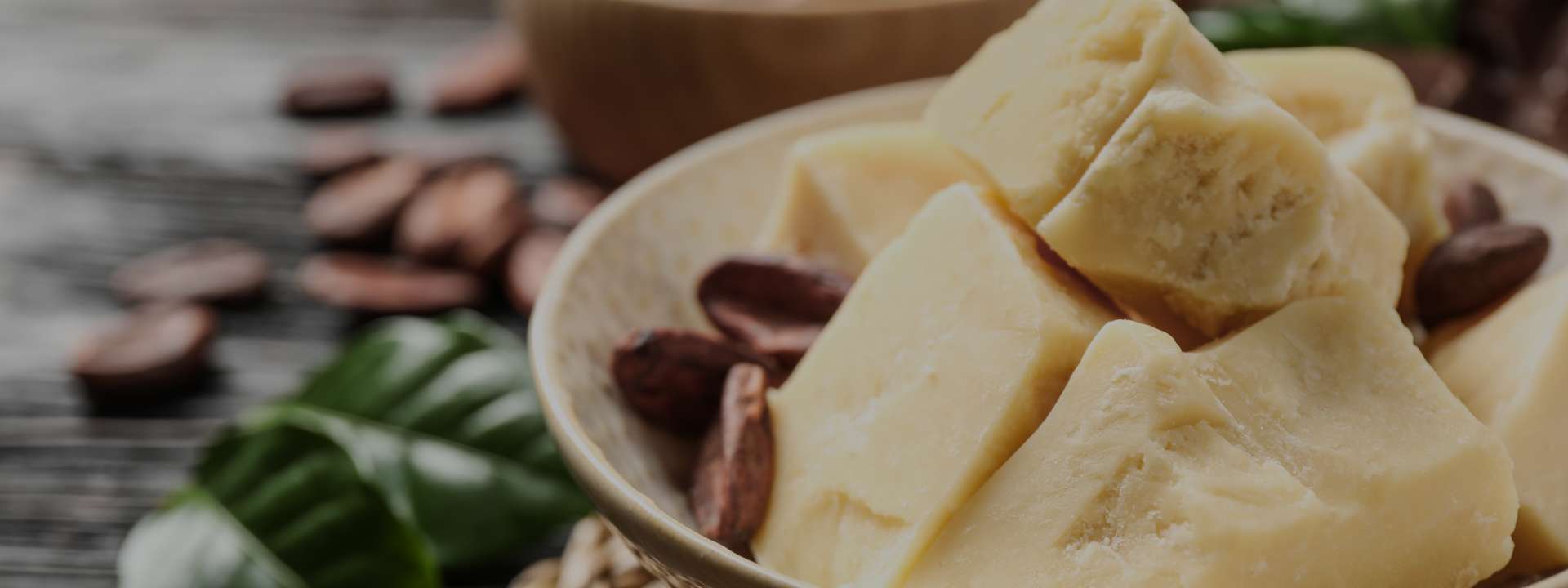
    At room temperature, cocoa butter is a pale yellow solid with a mild cocoa aroma. It melts at 32-35°C — just below body temperature — which is the single property that defines the sensory experience of chocolate. That solid-at-room-temperature, liquid-in-the-mouth transition is something no other natural fat replicates exactly, and it is why real chocolate requires real cocoa butter.

    How Cocoa Butter Is Extracted

    The extraction starts with cocoa liquor — the whole ground paste of roasted cocoa beans. The liquor is fed into hydraulic presses that apply high pressure to squeeze the fat out of the cocoa solids. What flows out is crude cocoa butter. What stays behind in the press is the cocoa cake.

    Pure prime pressed (PPP) cocoa butter — the type we produce — uses only mechanical pressure, no chemical solvents. This preserves the natural triglyceride structure, aroma and crystallization properties of the fat. Some lower-grade cocoa butters are extracted using solvent methods, which can alter the fat's behavior during chocolate tempering.

    After pressing, the butter may be filtered and standardized but is not chemically modified. Deodorized cocoa butter goes through an additional steam treatment to remove the cocoa scent and lighten the color — useful for white chocolate or applications where a neutral flavor is needed. Our current product is natural (non-deodorized) PPP cocoa butter.

    Cocoa Butter vs Cocoa Butter Alternatives (CBS, CBR, CBE)

    The rising cost of cocoa butter has driven the development of alternative fats designed to mimic its properties. There are three main categories:

    TypeFull NameSourceCocoa Butter CompatibilityTempering Required
    Cocoa ButterPure cocoa butter (PPP)Cocoa bean100%Yes
    CBECocoa Butter EquivalentVegetable fats (shea, palm, sal)Full — can replace up to 100%Yes
    CBRCocoa Butter ReplacerNon-lauric vegetable fatsPartial — up to 20% cocoa butter toleranceNo
    CBSCocoa Butter SubstituteLauric fats (palm kernel, coconut)Very low — max 5% cocoa butterNo

    For products labeled as "chocolate" in most markets, cocoa butter is legally required. The EU permits up to 5% of certain vegetable fats (CBE) in chocolate. The US does not permit any non-cocoa-butter fat in products labeled "chocolate." CBS and CBR are used in compound coatings and confectionery products that are not labeled as chocolate.

    The practical difference comes down to tempering behavior and mouthfeel. Cocoa butter's polymorphic crystallization — its ability to form the stable Form V crystal that gives chocolate its snap and gloss — cannot be fully replicated by alternatives. CBS and CBR skip the tempering step entirely, which makes production faster but produces a different sensory result.

    Why Melting Point and Crystal Structure Matter

    Cocoa butter is polymorphic — it can crystallize into six different forms (Form I through Form VI), each with a different melting point and structure. Only Form V delivers the properties that define quality chocolate: glossy surface, firm snap when broken, smooth melt at body temperature and resistance to fat bloom.

    Achieving Form V is the entire purpose of the tempering process in chocolate manufacturing. The chocolate is heated to destroy all existing crystals, cooled to encourage formation of multiple crystal types, then gently reheated to melt away the unstable forms while preserving Form V. If the cocoa butter in your formula has inconsistent triglyceride composition or has been degraded by oxidation (high peroxide value) or hydrolysis (high FFA), the tempering process becomes unreliable and the finished chocolate suffers.

    This is why sourcing cocoa butter with stable, well-documented physical properties is not optional for chocolate manufacturers — it is the foundation of product consistency.

    Regional Differences in Cocoa Butter Properties

    Not all cocoa butter behaves the same. The triglyceride profile varies by bean origin, which directly affects hardness, melting point and crystallization speed.

    Malaysian and Indonesian cocoa butter is generally harder with a higher melting point and faster crystallization. It is often preferred by manufacturers in hot climates where chocolate needs to stay solid on the shelf at higher ambient temperatures.

    West African cocoa butter — from Côte d'Ivoire and Ghana, which is what we use — sits in the middle range. It offers a balanced melting profile suitable for most standard chocolate formulations worldwide. It is the most widely traded cocoa butter globally and the baseline that most chocolate recipes are built around.

    Brazilian cocoa butter tends to be softer with a lower melting point and slower crystallization. It is sometimes preferred in cooler climates where a softer bite is acceptable or desirable.

    For manufacturers who sell into multiple climate zones, understanding how your cocoa butter's origin affects the final product in different temperatures is an important part of formulation planning.