







Online Message

×

Cocoa Liquor (Cocoa Mass) for Chocolate Manufacturing

Cocoa Liquor / Cocoa MassBulk SupplyFSSC 22000 & HalalChocolate Manufacturing Ingredient

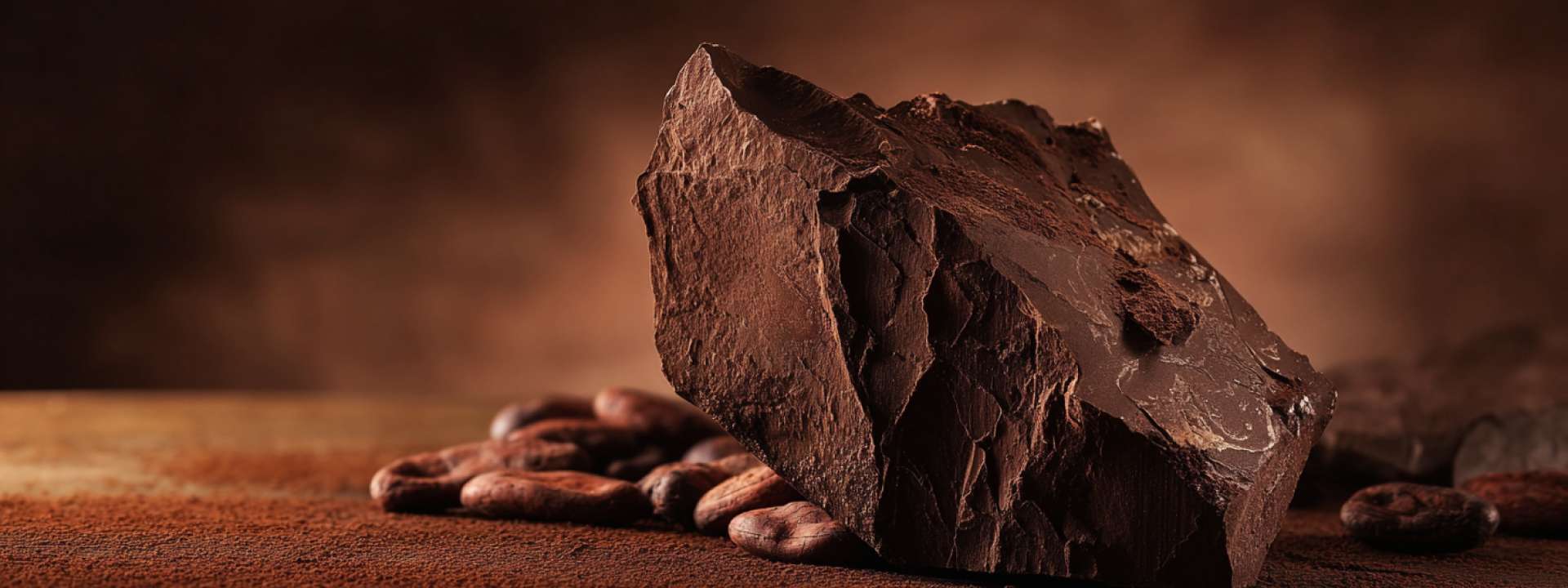
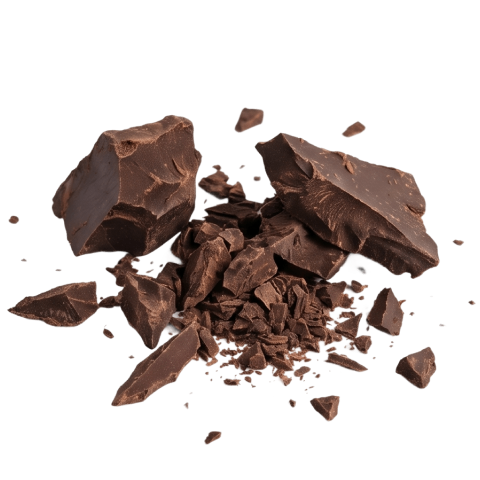
Cocoa liquor — also called cocoa mass — is the whole ground product of roasted cocoa beans before any fat is removed. It is the core base ingredient for chocolate production. We supply natural cocoa liquor with min. 50% fat content, produced from West African beans at our certified facility.

  • Natural cocoa liquor, pH 5.0–5.8

  • Full fat content min. 50% — ready for chocolate manufacturing

  • Produced from West African cocoa beans at our Cambodia facility

  • FSSC 22000, Halal certified, non-GMO

  • Batch-tested in-house before every shipment
Send your inquiry

Specifications

ParameterSpecification
Product TypeNatural cocoa liquor (cocoa mass)
Fat ContentMin. 50%
pH5.0 – 5.8
Free Fatty AcidsMax. 1.75%
Fineness≥98.0%
Moisture<3.0%
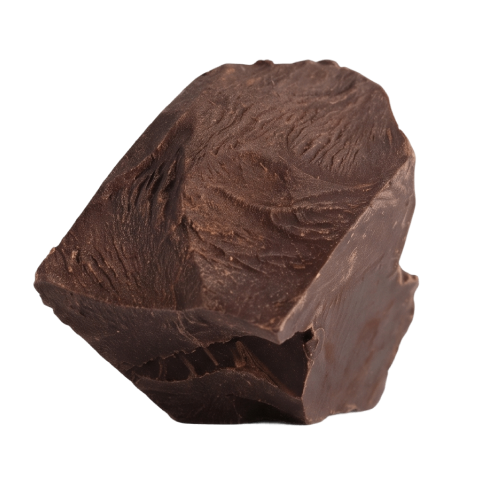
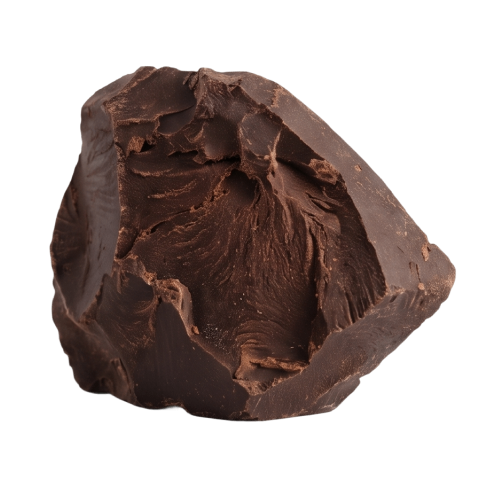
FormSolid blocks / chunks
Bean OriginWest Africa (primarily Côte d'Ivoire and Ghana)
CertificationsFSSC 22000, Halal, Non-GMO
Shelf Life24 months under proper storage conditions
StorageCool, dry place below 25°C, away from direct sunlight and strong odors

Application Recommendations

Each application demands different things from cocoa liquor — flavor intensity, fat behavior, melting properties. Here is how our natural cocoa liquor performs across key end uses.

ApplicationSuitabilityNotes
Dark Chocolate★★★Primary base ingredient. Add sugar and cocoa butter to formulate.
Milk Chocolate★★★Combine with milk solids, sugar and cocoa butter. Natural pH pairs well with dairy.
Compound Chocolate & Coatings★★Provides cocoa flavor base for compound coatings using vegetable fats.
Ganache & Truffle Fillings★★★50%+ fat content delivers smooth, creamy texture. Melts evenly with cream.
Brownies & Chocolate Cake★★Adds deep chocolate flavor and fudgy texture. Melt before incorporating into batter.
Chocolate Ice Cream★★Natural cocoa fat integrates well with dairy base. Contributes body and flavor depth.
Chocolate Spreads★★Provides real cocoa flavor and smooth mouthfeel in spread formulations.
Cocoa Butter & Powder Production★★★Press to separate into cocoa butter and cocoa cake for powder milling.

Find the Right Cocoa Powder for Your Application

go to Cocoa Powder Selector

FAQ

    Understanding Cocoa Liquor: From Bean to Chocolate

    What Is Cocoa Liquor?

    Cocoa liquor is the pure, ground form of roasted cocoa beans. When cocoa nibs are milled finely enough, the heat from grinding melts the cocoa butter within the cell structure, turning the solid nibs into a thick, flowing paste. This paste — containing roughly 50-55% cocoa butter and 45-50% cocoa solids in their natural ratio — is cocoa liquor.

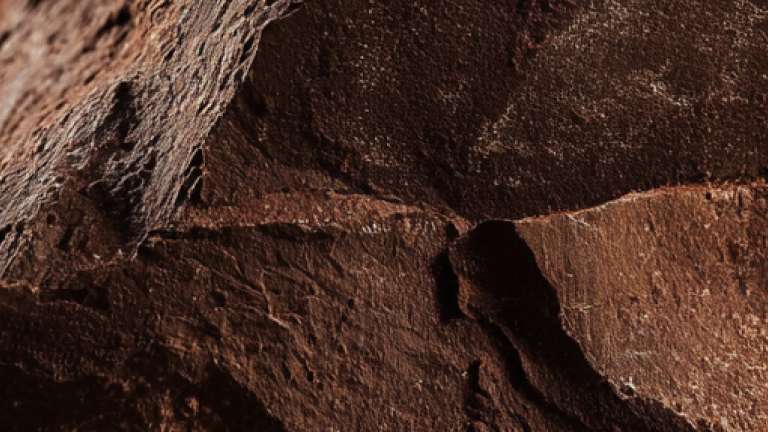
    It solidifies into dense, dark brown blocks at room temperature. Despite the name, it contains no alcohol. The word "liquor" comes from an older English usage meaning "liquid," describing its molten state during processing. In international trade, you will see it called cocoa liquor, cocoa mass, chocolate liquor or cocoa paste — all the same product.

    How Cocoa Liquor Is Made

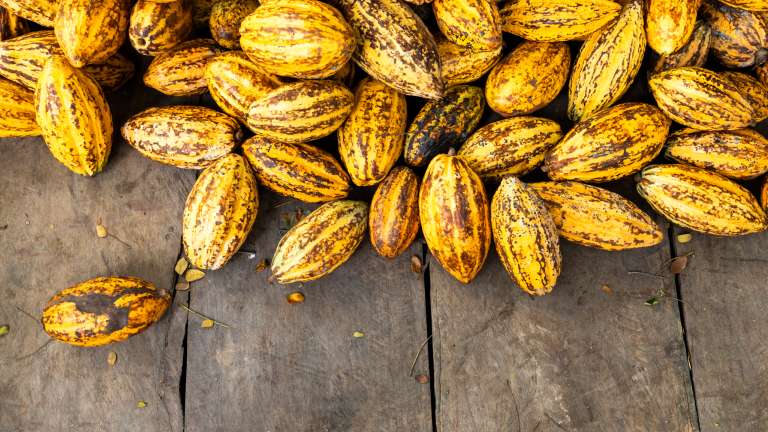
    The production process starts with raw cocoa beans, primarily Forastero variety from West Africa. The beans go through fermentation, drying, cleaning and roasting. Roasting develops the chocolate flavor compounds through Maillard reactions — the temperature and duration directly shape the final flavor character of the liquor.

    After roasting, the beans are cracked and winnowed to separate the outer shell from the inner nib. The nibs are then ground progressively finer through impact mills or ball mills until the cocoa butter releases and the mass becomes fluid. The target particle size depends on the intended use — finer grinding produces smoother liquor for premium chocolate, while coarser grinding is acceptable for liquor that will be pressed into cocoa butter and cocoa powder.

    Cocoa Liquor vs Cocoa Butter vs Cocoa Powder

    These three products all come from the same processing chain. Cocoa liquor is the mother product — press it, and it splits into two:

    ProductWhat It IsFat ContentPrimary Use
    Cocoa LiquorWhole ground cocoa bean paste~50-55%Chocolate manufacturing base
    Cocoa ButterFat extracted by pressing liquor100% fatChocolate texture, cosmetics, pharmaceuticals
    Cocoa PowderDried and milled press cake after butter removal10-12% or 20-24%Baking, beverages, confectionery, dairy

    For chocolate manufacturers, cocoa liquor is the starting material. For food manufacturers who need chocolate flavor without the full fat content, cocoa powder is the more practical ingredient. Cocoa butter serves a structural role — it gives chocolate its snap, gloss and melt-in-mouth quality.

    Key Quality Parameters and What They Mean

    When sourcing cocoa liquor, several parameters on the spec sheet matter for your end product:

    Fat content (min. 50%) determines how much additional cocoa butter you need to add in your chocolate formula. A stable, predictable fat percentage means you can lock in your recipe without recalculating ratios every batch.

    Free fatty acids (FFA) indicate how fresh and well-handled the beans were. Lower FFA means less oxidation. Our cocoa liquor holds FFA below 1.75%, which is within the standard range for quality chocolate production. If FFA is high, the liquor may carry off-flavors that show up in finished chocolate.

    pH affects the final flavor balance of your chocolate. Natural cocoa liquor at pH 5.0-5.8 gives a classic chocolate profile with mild acidity. Alkalized cocoa liquor has a higher pH and a smoother, less acidic taste — though for most chocolate manufacturing, natural liquor is the standard starting point.

    Fineness (≥98%) influences mouthfeel. Finer particles produce smoother chocolate. For couverture and premium chocolate bars, high fineness is essential. For compound coatings or applications where the liquor will be further refined, slightly coarser liquor is acceptable.

    Moisture (<3%) must="" stay="" low.="" excess="" moisture="" causes="" problems="" during="" chocolate="" conching="" and="" tempering="">

    How Bean Origin Affects Cocoa Liquor Flavor

    The flavor of cocoa liquor is shaped primarily by where the beans were grown and how they were fermented. West African beans — which account for roughly 70% of global production — produce a classic, full-bodied chocolate character with moderate acidity and low fruitiness. This is the flavor profile most commercial chocolate is built on, and it is what our cocoa liquor delivers.

    South American beans, particularly from Ecuador and Peru, tend to carry more floral and fruity notes. Southeast Asian beans from Indonesia often have earthy, smoky characteristics. These regional differences matter most for single-origin chocolate and specialty applications. For standard commercial chocolate production, the consistent, balanced profile of West African cocoa is what most manufacturers prefer.