













Cocoa Powder Fat Content: Low Fat vs High Fat and How to Choose
When buying cocoa powder, you may receive quotes for very different fat specifications, such as 4–8%, 10–12%, or 22–24%. These are not simply different numbers on a specification sheet. Fat content affects how cocoa powder performs in different applications—and can influence both product formulation and purchasing cost.
Cocoa powder fat content refers to the amount of cocoa butter remaining in the powder after pressing. The pressing process determines how much cocoa butter is removed, resulting in different fat grades. For buyers, understanding these grades is important because they can differ in taste, color, texture, flowability, and performance in applications such as baking and beverages.
This guide explains what cocoa powder fat content means, how low-fat and high-fat grades differ, and how to choose the right specification for your application. It also covers the key specification and pricing points to confirm with suppliers before placing an order.
What Cocoa Powder Fat Content Means
Cocoa powder fat content is the percentage of cocoa butter remaining in the powder after cocoa liquor is pressed. Longer and harder pressing removes more butter and leaves a lower-fat cake. Commercial powders run from about 1% to 24% fat, with a typical production tolerance of ±1.0%.
The pressing step is where the grade is decided. Ground cocoa liquor goes into a hydraulic press, butter flows out, and the remaining cake is milled into powder. A press operator can target anywhere from 8% to 24% fat in the cake, but hitting an exact number is not realistic, which is why specifications carry a tolerance rather than a single figure.
Fat content also tells you what else is in the bag. The lower the fat, the higher the share of fat-free cocoa solids, the component that carries color and flavor intensity. For a full breakdown of the powder's composition, see our article on cocoa powder protein and fat content.
Common Fat Grades on the Market
Three grades cover most commercial supply: defatted or highly fat-reduced powder at 4-8% and below, standard powder at 10-12%, and high fat powder at 20-24%. The 10-12% range is the most widely used worldwide. Naming varies by supplier, so always compare the number, not the label.
| Grade | Typical fat content | Common trade names |
|---|---|---|
| Defatted / low fat | 4-8%, down to about 1% | Fat-reduced, highly fat-reduced, defatted cocoa powder |
| Standard | 10-12% | Medium fat, standard cocoa powder |
| High fat | 20-24% | High fat cocoa powder, breakfast cocoa |
Official standards back up these ranges. Codex CXS 105 defines cocoa powder at 20% fat and above, fat-reduced between 10% and 20%, and highly fat-reduced below 10%, and US FDA rules use similar legal names with high fat at 22% and above. The labels differ slightly between systems, but the practical message is stable: quote the percentage and the tolerance, and the naming confusion disappears.

Low Fat vs High Fat Cocoa Powder: Taste, Color and Performance
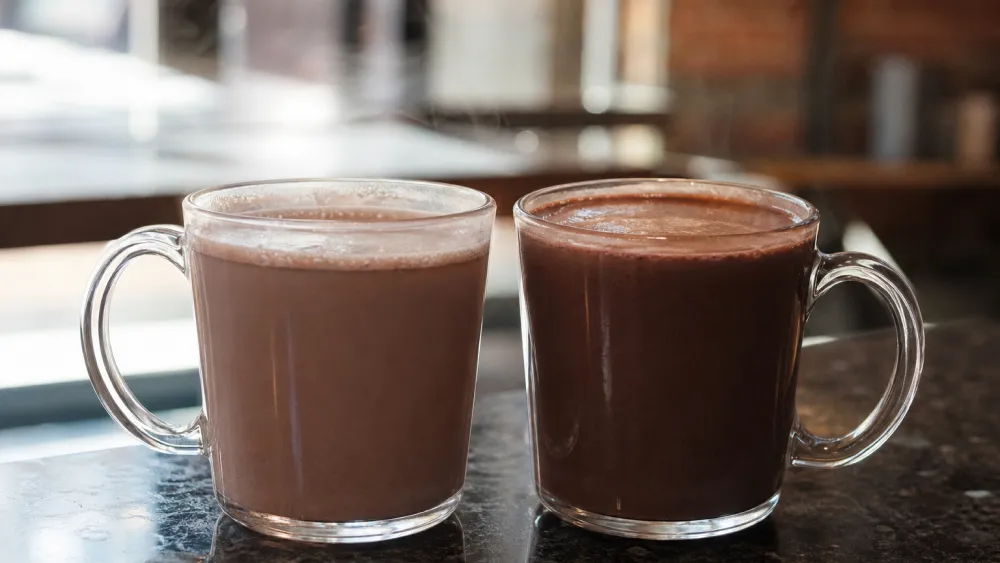
Higher fat means richer flavor, darker apparent color and creamier mouthfeel. Lower fat means sharper cocoa intensity per gram, better flowability and less caking. Neither grade is universally better, because the right choice depends on what the powder must do in your product.
| Low fat (4-8% / 10-12%) | High fat (20-24%) | |
|---|---|---|
| Taste | More intense cocoa impact per gram, slightly drier and more astringent | Rounder, creamier, more chocolate-like flavor |
| Color | Looks lighter in dry form, colors liquids and batters efficiently | Appears darker and glossier, especially in wet applications |
| Mouthfeel | Leaner, can taste thin in rich recipes | Smooth and full, fat melts at body temperature |
| Flowability | Flows freely, resists caking, suits dry mixes and vending | Can clump in humid conditions, needs care in dry blending |
| Whipping performance | Defatted grades can raise whipped batter volume by around 20% | Added fat weighs down foams and meringues |
| Cocoa solids per kilo | More color and flavor solids per kilo purchased | Part of the budget goes to cocoa butter |
Fat carries flavor and softens acidity, which is why high fat powder tastes rounder even at the same dosage. It also changes perceived color: a high fat powder can look darker in the bag yet deliver similar color strength in the finished product, because coloring power comes from the fat-free solids. Buyers comparing samples should always evaluate powders in the actual application, in milk, batter or ice cream mix, since dry appearance alone is misleading.
Is High Fat Cocoa Powder Better?
No single grade is better across the board. High fat powder wins on flavor richness and creaminess, while low fat powder wins on solids per kilo, flowability and whipped structure. Paying for 22-24% fat in a recipe that already adds butter or oil usually wastes money, and using a lean powder in a premium drinking chocolate usually disappoints.
The better question is which grade fits your formulation and your cost model. That is what the next section maps out.
How to Choose: Match the Fat Grade to Your Application
Start from the job the powder must do. Dry mixes and vending drinks favor low fat grades for flowability. General baking and ice cream run well on 10-12%. Premium beverages, ganache and truffles benefit from 20-24%. Whipped products such as macarons and mousses perform best with defatted powder.
| Application | Recommended grade | Why |
|---|---|---|
| Hot chocolate, vending and dry beverage mixes | Low fat 4-8% or standard 10-12% | Free flow, no caking, strong flavor per gram |
| General bakery: cakes, cookies, biscuits | Standard 10-12% | Balanced flavor and cost, the industry's default |
| Premium beverages, ganache, truffles, frosting | High fat 20-24% | Creamy texture and rich taste carry the product |
| Whipped and aerated products: macarons, meringues, mousses | Defatted 4-8% | Less fat means stable foams and higher batter volume |
| Ice cream and dairy desserts | Standard 10-12% or high fat 20-24% | Match the grade to the fat system of the recipe |
Two practical rules complete the selection. First, when you switch between grades in an existing recipe, correct the dosage by fat-free cocoa solids, since that keeps color and flavor strength constant. Second, if your formula already contains significant fat from butter, oil or milk, a leaner cocoa powder often performs the same at lower cost. For a broader selection framework covering pH, color and processing type, see our guide to choosing the best cocoa powder.
How to Specify Cocoa Powder When Buying
Fat content is only one line on a purchase specification. A complete cocoa powder spec also fixes moisture, pH, color, fineness and microbiological limits, together with COA tolerances, packaging and MOQ. Pinning these down before ordering prevents disputes and keeps production consistent.
Fat content. State the target range and tolerance, for example 10-12% with ±1.0%, and ask how the supplier verifies it per batch.
Moisture. A specification of 5.0% maximum keeps powders free-flowing and stable in storage; international standards allow up to 7%, so a tighter limit signals process control.
pH. Natural powder typically sits at pH 5.0-5.8, alkalized grades at 6.0-7.8, and heavily alkalized black grades at 8.0-9.0. Match pH to your leavening system and flavor target.
Color. Define the shade by application and ask for color value testing per batch when appearance is critical.
Fineness. A common industrial benchmark is 99% minimum through 200 mesh, which protects mouthfeel in beverages and coatings.
Microbiological specifications. Agree on limits that meet your destination market's food safety requirements and have them confirmed on the COA.
COA and tolerances. Request a certificate of analysis for every batch, covering at least fat, moisture, pH and color value, with agreed tolerances in the contract.
Packaging and MOQ. Standard export packaging is 25 kg kraft bags with PE liner, shelf life 24 months; typical minimum orders start at one 20-foot container, with trial quantities negotiable for first orders.
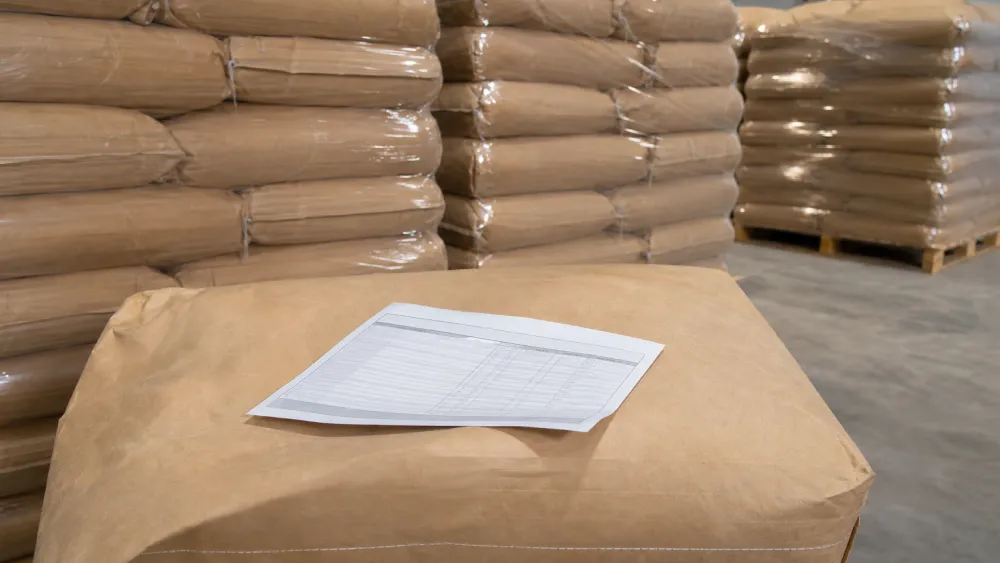
These checkpoints reflect how we work at Wuxi Huanda Cocoa Food Co., Ltd. Our FSSC 22000 certified facilities in Cambodia, China and Indonesia produce 10-12% and 4-8% fat grades, and every batch is lab-tested for fat content, moisture, pH and color value before shipment, with COA documents provided with each order. Buyers can request specification sheets and free samples through our cocoa powder page.
Getting cocoa powder fat content right is a short conversation with a supplier who tests every batch: share your application, target flavor and fat system, and a grade can be matched and sampled within days. If you are comparing quotes this quarter, our team can provide specifications, batch documentation and samples for your own line trials. Reach us through the contact page.
FAQ